

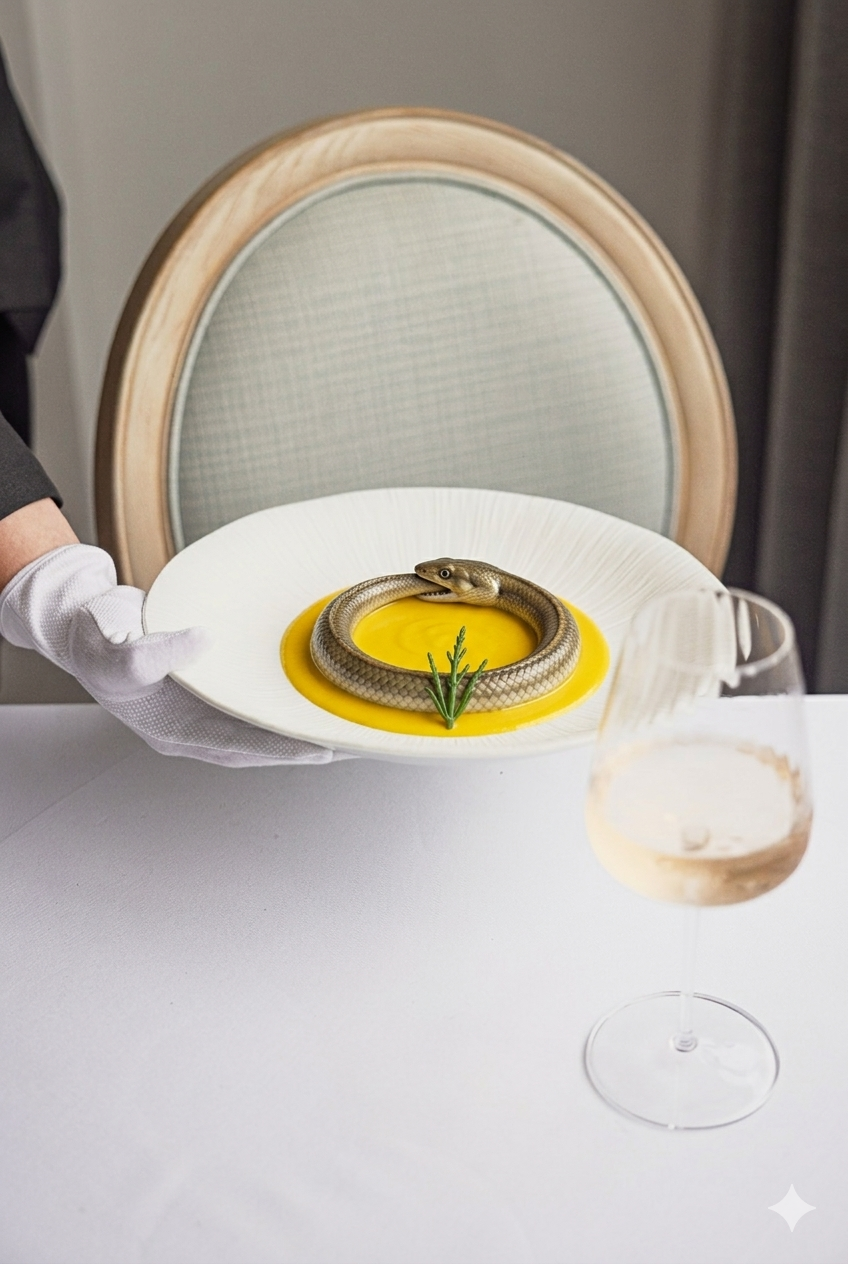
The Ouroboros of the lens… Or why food photography risks eating itself
As more hospitality imagery is generated rather than photographed, we are starting to see a shift. The images still look right, often polished and technically correct, but something changes underneath. They become less specific, less grounded, more interchangeable.
This is not new. Stock photography already worked this way, good enough to represent a category, but rarely tied to a real place or a real product. AI pushes this further. It does not document food, it predicts what food should look like.
The risk is not that the images fail. It is that they succeed too easily, while quietly losing the detail, the irregularity, and the identity that make a business its own.
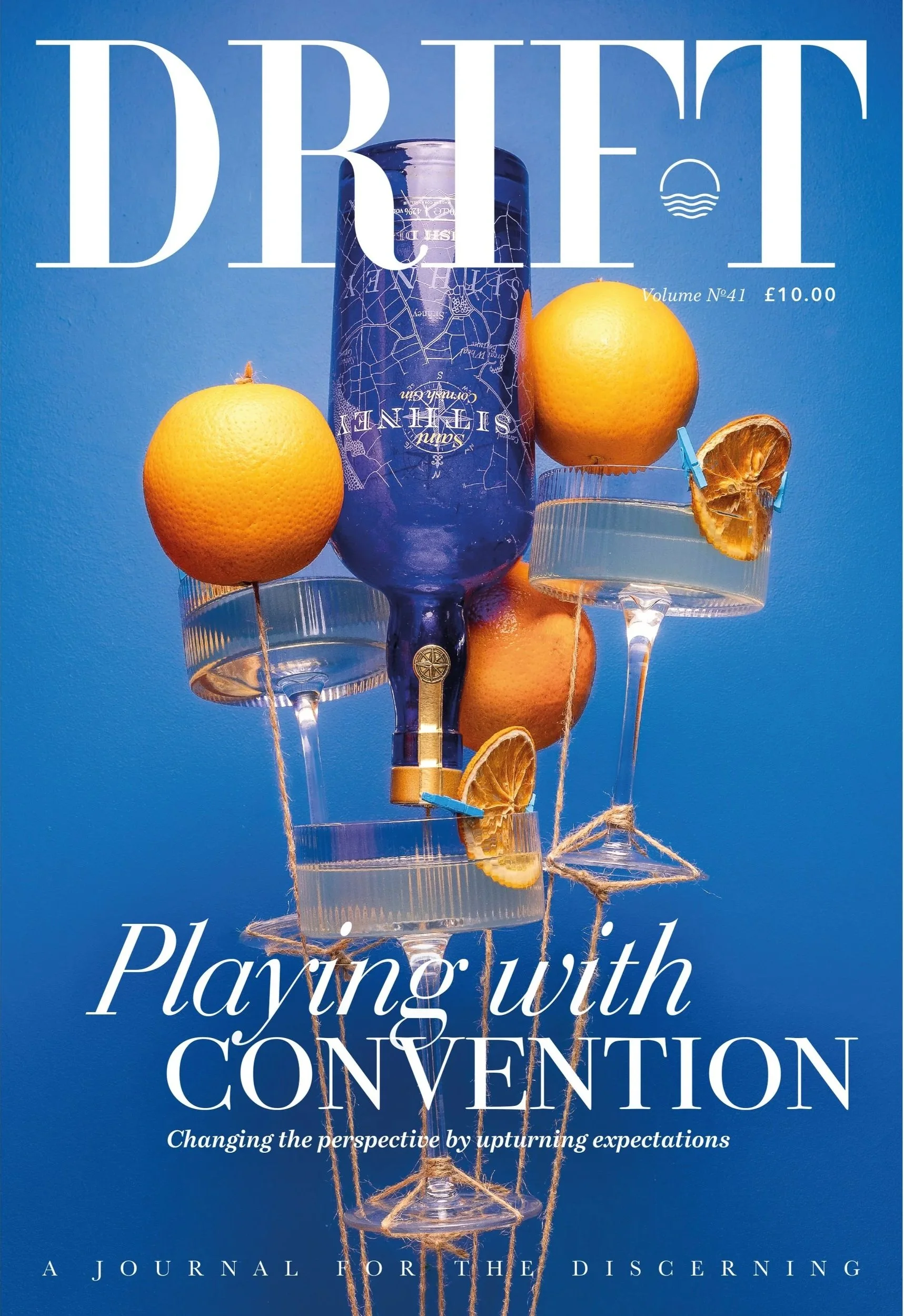
DRIFT (Vol. 41): Turning the focus to food
DRIFT profiled my food photography—simple styling, clean lines, and images built to work across web, social, menus, PR and editorial. They also ran one of my images on the cover
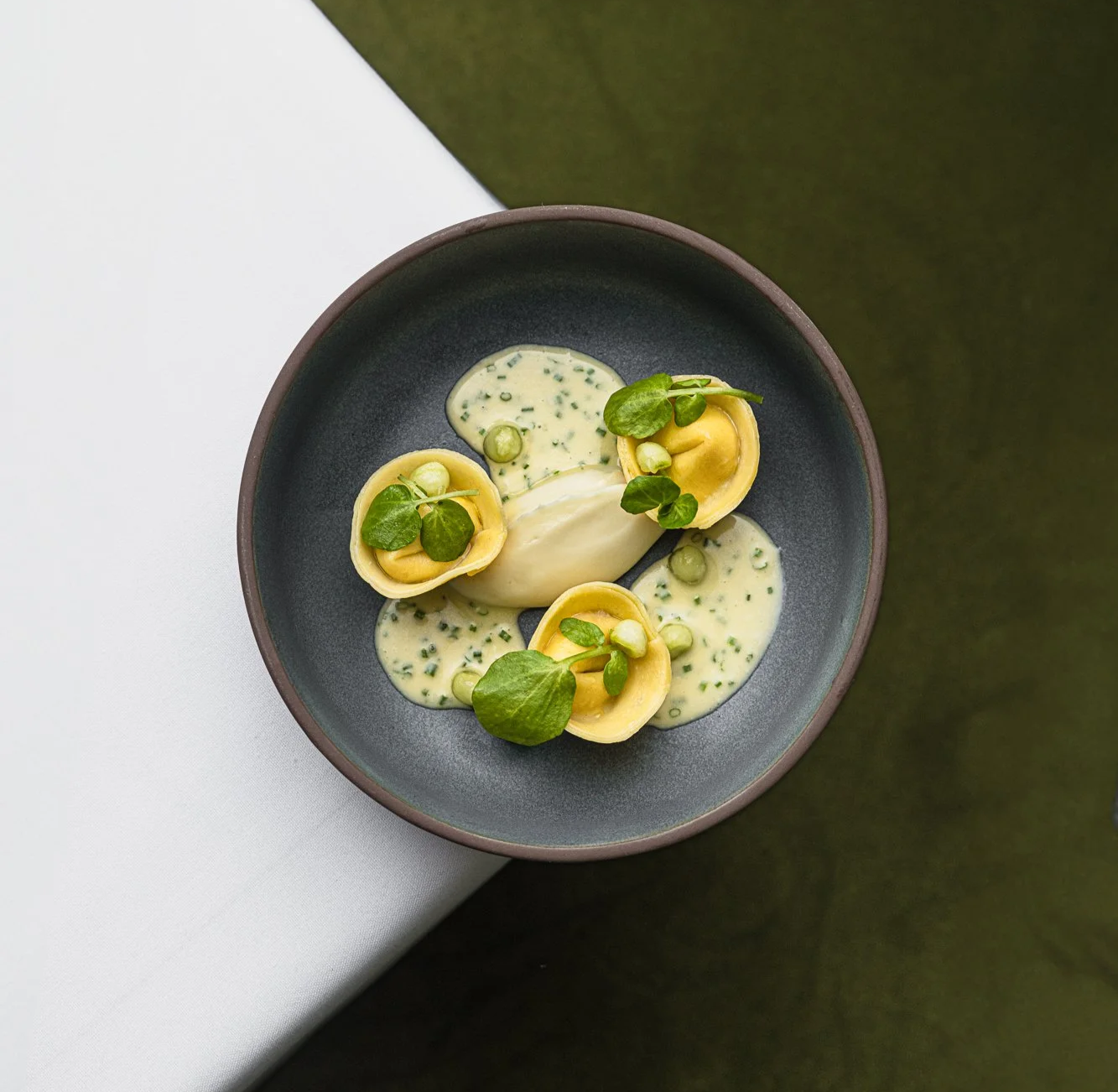
Minimalist Food Photography — Why I Keep Things Simple
Minimalist food photography, for me, is less about empty space and more about removing what gets in the way. The food should still look like food, and the photograph still has a job to do.